Community Pantry
Purpose
What is a community pantry and how will it help?
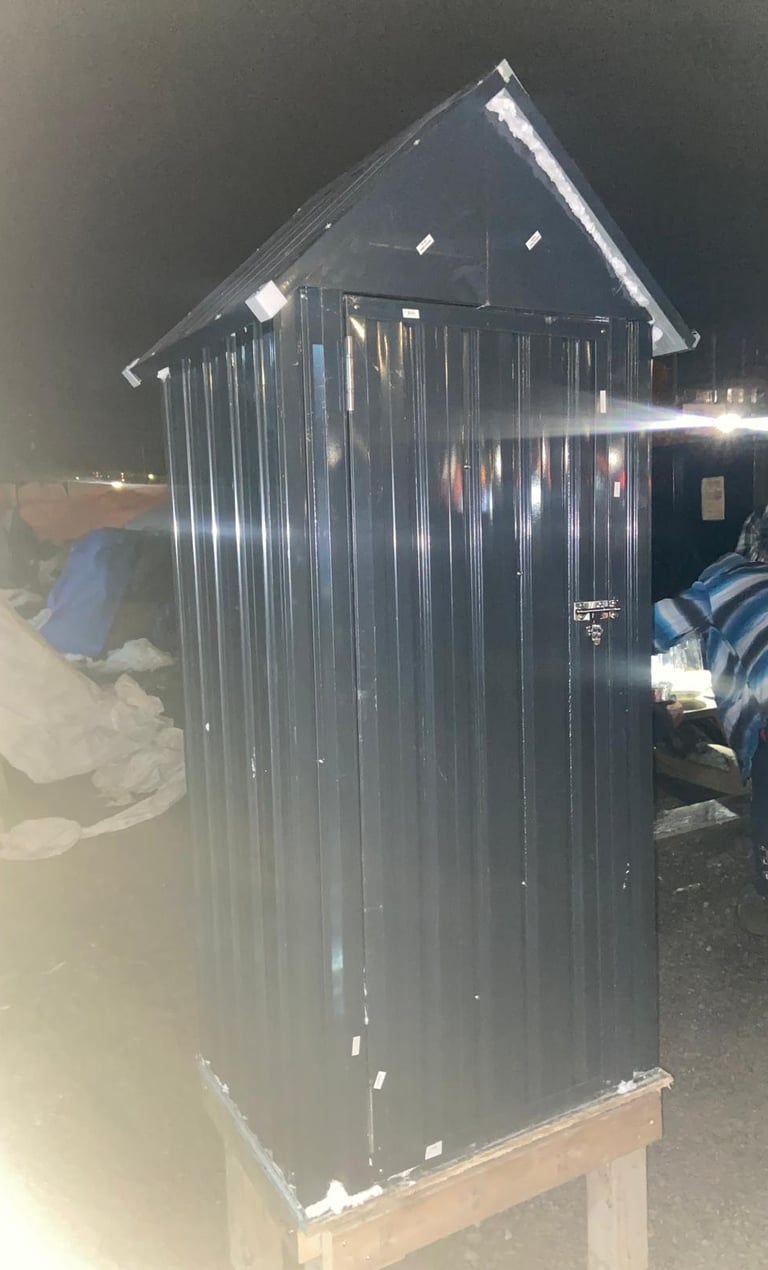
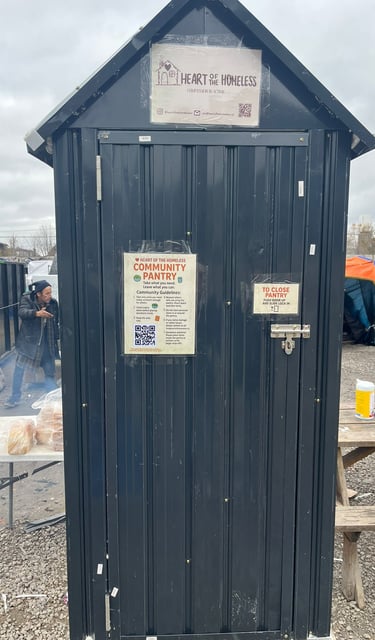
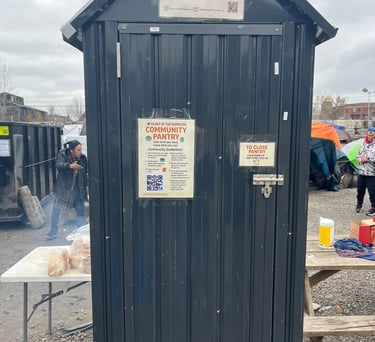
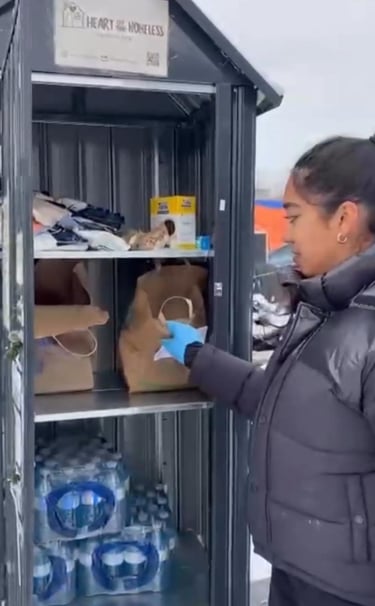
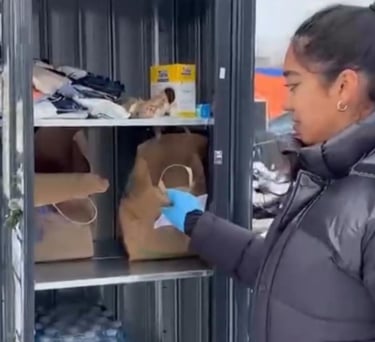
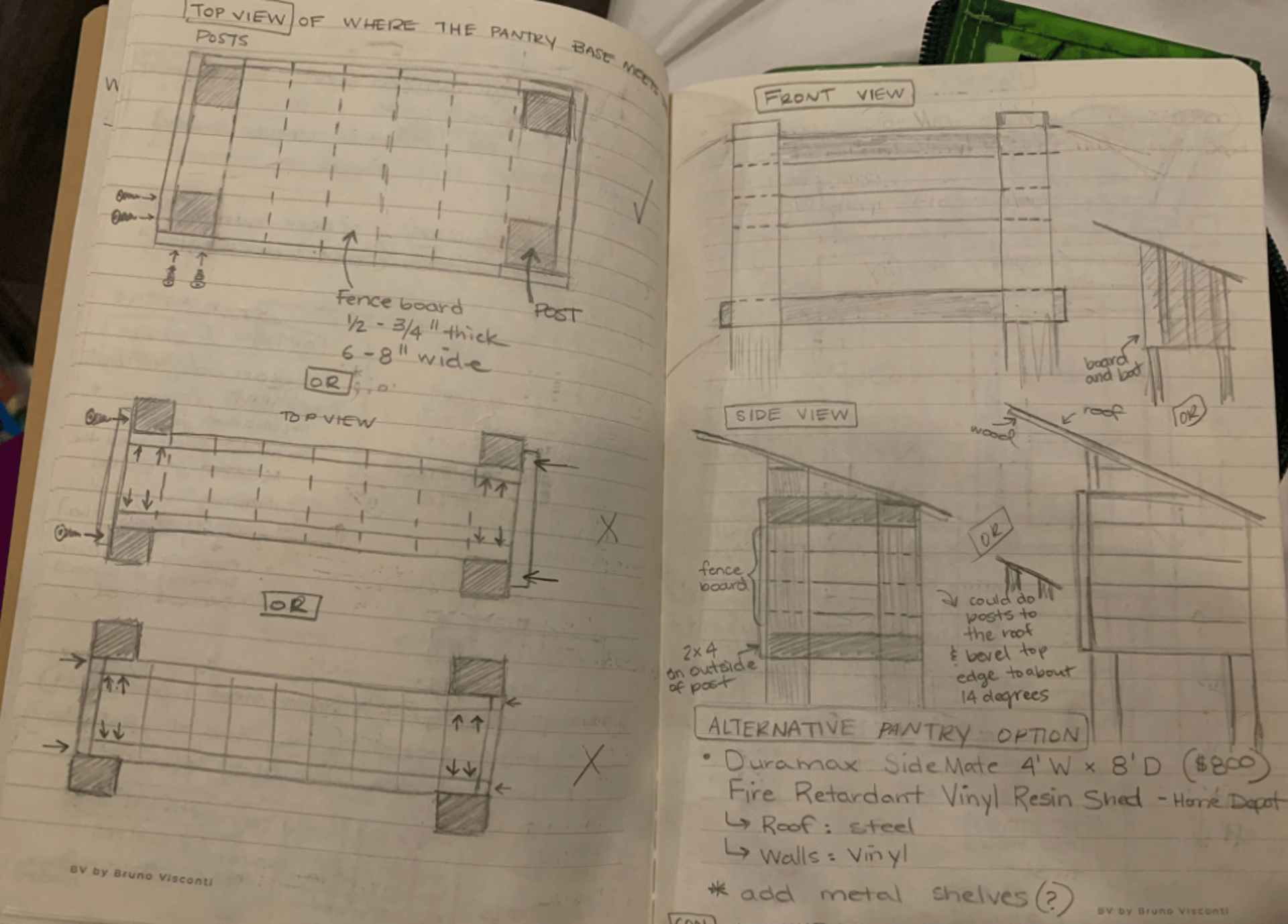
For the last month, we have been working on the Community Pantry project for the 100 Victoria St homeless encampment with support from Waterloo Region and community members. Often at the encampment, safe food consumption was a threat as rodents and pests often residing at the encampment could easily access food making it harmful to consume.
The purpose of the pantry is to reduce the risk of rodents/pests accessing food, encourage community to make more food and resource drop offs, and reduce the harm residents of the encampment face when interacting with community - such as harassment.
Our team is dedicated to maintaining and cleaning the pantry once a week while regulating all food donated in the pantry and ensuring safe food distribution for the 100 Vic community.
Follow the Golden Rule - If you wouldn't use it or eat it, please don't bring it!
Regulations for Safe Food Distribution
We want to ensure that the food provided to 100 Victoria St follows safe food distribution protocol provided by Public Health officials and our team. We appreciate the community members donating food to the pantry
Before donating, please take a look at these regulations to ensure you are following safe food practices.
Thank you so much and we appreciate your help!


Public Health Guidelines & Our Community Rules
Community Guidelines
Please contact Heart of the Homeless before you donate! This way we can ensure that we are monitoring the food and ensure it is shared amongst residents of 100 Victoria St encampment.
Label home prepared meals with ingredients and what it is.
Think about needs. Ask if you’re unsure what’s needed and useful, as needs change on site. Before donating, ask yourself: “Am I giving this because it’s helpful, or because I don’t want to deal with it?” Please be respectful and focus on the golden rule - if you wouldn't use it or eat it, don't bring it!
Don’t film, photograph residents, their homes, or their belongings without their prior and informed consent. It’s invasive, dehumanizing, and it puts people at risk. Please respect people’s right to privacy.
Don't attach expectations. Care isn’t conditional. Don’t offer resources in a transactional way or expect specific behaviour, relationships, or gratitude in return. Never make food or support dependent on prayer, conversation, or “good behaviour.” That’s coercive.
Don’t bring unsafe or half-eaten food. No food that has been left out all day and not kept appropriately hot/cold. No expired or half eaten food. No one should risk getting sick.
Public Health Guidelines
Non-perishable Food Items
Unopened, commercially packaged, shelf‑stable items with intact seals.
Cans free of severe dents, bulges, rust, or leaks.
Fresh produce
Whole, uncut fruits and vegetables in good condition (no significant mold, decay, or damage).
Please put items in proper storage containers - disposable containers or clear plastic bags (available when produce is purchased at grocery stores).
Prepared/perishable foods
Food brought in is prepared in an inspected/commercial kitchen (restaurants, caterers, grocery stores).
Food prepared at home need to be done in a clean space - clean between each new meal prep (to avoid cross contamination), use clean pots and pans, wash/sanitize hands before and after handling food, bring food in disposable trays and please bring utensils/plates/napkins if your meals require such items.
Often foods prepared from homes or other uninspected sources can increase the risk of illness because safe food handling practices and standards cannot be verified especially with a vulnerable population. We want to ensure food is prepared and delivered in clean, safe spaces.
For food safety and traceback purposes, anyone donating prepared foods should provide the name of the food items they are donating as well as their name and contact information to HearTH team (Contact Us via email, phone, text, or DMs).
Follow the two‑hour rule: Perishable food should not be left at room temperature for more than two hours and should be consumed promptly.
Keep hot foods hot and cold foods cold.
Cold food must be maintained at 4°C/40°F and colder.
Hot food must be maintained at 60°C/140°F and hotter.
Items that will not be Accepted
Home‑canned vegetables/meats/fish
Unpasteurized dairy products and juices
Opened packages, items without ingredient/allergen labels, or with damaged packaging.
Perishables that have been at room temperature for 2+ hours.
Foods with signs of spoilage (off odour, slime, mold not typical to the product).
Donate Today!
If you would like to donate please let us know - you can fill this form, give us a call or a text! Thank you for your support.
Phone
(437) 238-4046
info@heartofthehomeless.ca