Local Perspectives: Listening, Learning, and Showing Up for the KW Unhoused Community
Highlighting local homelessness advocate Jaime in the KW region. Journey from weekly supply drop-off s at 100 Victoria Street to community advocacy. The importance of solidarity over charity in supporting unhoused communities. Breaking misconceptions about encampments and respecting them as people’s homes. The role of consistency and relationship-building in advocacy work. Understanding real needs such as warmth, charging phones, and basic survival resources. Advice for new advocates: start small, be consistent, and follow community leadership. The importance of local action and building community connections
LOCAL PERSPECTIVES
Katherine Amal Al-Zanoun
4/19/20264 min read
Blog Summary: This blog highlights Jaime, a local advocate supporting the unhoused community in the Kitchener-Waterloo region. Through her journey from weekly supply drop-offs to active collaboration with the Unsheltered Campaign, Jaime shares the importance of solidarity, consistency, and listening to community needs. The blog explores common misconceptions about encampments, emphasizes respecting unhoused individuals’ dignity and autonomy, and provides practical advice for those looking to get involved in advocacy. Ultimately, it reinforces the message that meaningful change begins with loving and supporting your local community.
The Heart of the Homeless team has recently begun highlighting the voices of local advocates working to support the unhoused community in the Kitchener-Waterloo region. Through these conversations, we hope to share the experiences, lessons, and perspectives of individuals who are actively working on the ground to build stronger and more compassionate communities.
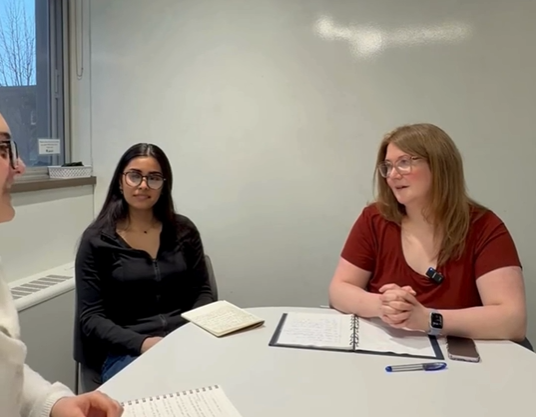
As part of this initiative, I had the pleasure of interviewing Jaime, a dedicated local advocate who has been supporting the unhoused community for the past three years.
Jaime’s journey into advocacy began in a way that many people can relate to. After seeing a post on Instagram calling for supplies at the encampment at 100 Victoria Street, she started dropping off water bottles and snacks on a weekly basis. What began as simple food and supply drop-offs quickly turned into something more meaningful.
Through her involvement, Jaime connected with the Unsheltered Campaign, a group of local homelessness advocates, and began collaborating with others who were already doing work in the community. From there, she expanded her efforts to include supply and food drop-offs at both 100 Victoria Street and Victoria Park, building relationships with other advocates and residents along the way.
She describes her experience as overwhelmingly positive, emphasizing how much she values the opportunity to listen and learn from both fellow advocates and community members.
One of the most powerful ideas Jaime shared during our conversation was the importance of solidarity rather than charity.
assuming what they might want. It’s about working with the community, not just providing for them. This mindset shifts advocacy from simply giving resources to building relationships and respecting the autonomy and dignity of those being supported.
Jaime explained that being a good ally means constantly learning and being open to feedback. It means recognizing that the people living in encampments are the experts of their own experiences and deserve to have their voices heard.
We also discussed common misconceptions surrounding encampments, particularly the question of safety.
Jaime highlighted that one of the biggest misconceptions is that people forget that encampments are someone’s home. Many members of the public do not treat these spaces with the respect they deserve.
A key reminder she shared was this: “People do not owe you kindness or politeness to deserve housing, food, or a shower.”
This challenges the idea of the “perfect victim” — the harmful belief that someone must be kind, polite, or grateful in order to deserve basic human rights. Housing, safety, and dignity are fundamental rights, not rewards for behavior.
When asked about the most challenging part of advocacy work, Jaime was careful to put things into perspective.
She noted that challenges are relative because, at the end of the day, she gets to go home. The residents living in encampments do not have that option, making it difficult to compare struggles.
Instead, she emphasized the importance of consistency.
Advocacy can be emotionally and physically demanding, but showing up regularly and being present for the community is what truly makes a difference. Consistency helps build trust, relationships, and a sense of community over time.
When discussing what motivates her to keep going, Jaime spoke about the current state of the world and how overwhelming it can feel.
Her perspective was simple yet powerful: “If you want to change the world, go love your community.”
Focusing on local action helps transform feelings of helplessness into meaningful change. Supporting the people around you, building relationships, and showing up consistently creates real impact where it matters most.
Jaime also shared an important insight about how community members sometimes want to help. Many people approach advocates with ideas for activities or entertainment for residents, assuming they might be bored or in need of distractions. However, Jaime gently redirects these conversations toward the reality of survival.
Residents are primarily concerned with:
● staying warm
● charging their phones
● accessing food and water
● meeting basic daily needs
They are not worried about being bored — they are focused on surviving each day. Listening to their priorities is essential in providing meaningful support.
For anyone looking to get involved in supporting the unhoused community, Jaime offered thoughtful and practical advice.
1. Reach out to people already doing the work
Building relationships with existing advocates helps you learn and understand what the community truly needs.
2. Be open to following others’ leadership. Learning from those already on the ground is essential, even if you plan to start your own initiative.
3. Start small and stay consistent
“Pick something small and do it consistently.” Consistency builds trust and strengthens community connections over time.
4. Be open to being corrected. Many people believe they are helping in the best way possible, but sometimes their approach may not align with residents’ needs. Asking questions and being open to feedback is key to meaningful advocacy.
At the heart of Jaime’s message is a simple but powerful truth:
Community matters.
Listening instead of assuming, showing up consistently, and respecting the dignity and voices of unhoused individuals are all essential parts of building stronger communities. Everyone deserves to be heard, supported, and treated with compassion.
At the end of the day, everyone needs a community.